Material Guide: Ceramic vs. Cast Iron vs. Enamel on Steel
Choosing the right cookware material is crucial for your cooking success. This comprehensive guide helps you understand the differences between Pioneer Woman cookware materials and select the perfect pieces for your cooking style and needs.
The Pioneer Woman cookware collection features multiple material types, each with unique properties and benefits. Understanding these differences will help you choose the right cookware for specific cooking tasks and ensure you get the best performance from your investment. Whether you're making delicate eggs or slow-cooking a hearty stew, there's a Pioneer Woman material perfectly suited for the job.
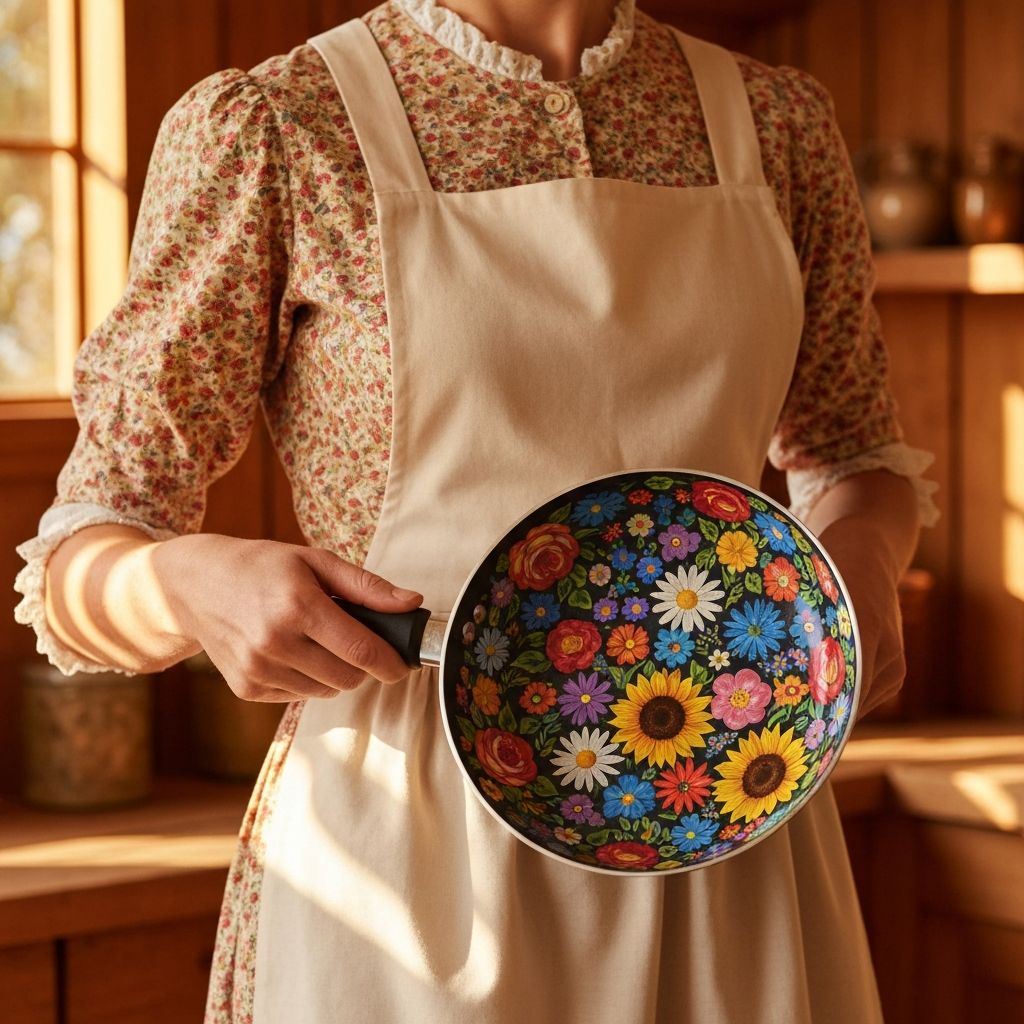
Aluminum Non-Stick with Ceramic Coating
The most popular option in the Pioneer Woman cookware line, aluminum cookware with ceramic non-stick coating offers exceptional everyday performance. The aluminum core provides excellent heat conduction, while the ceramic coating ensures effortless food release without petroleum-based chemicals.
Best For:
- Low-fat cooking with minimal oil or butter
- Delicate foods like eggs, fish, and pancakes
- Quick weeknight meals and everyday cooking
- Easy cleanup with minimal scrubbing required
Key Features:
- Lightweight: Easy to maneuver and handle, perfect for frequent use
- Fast Heating: Heats up quickly for efficient cooking
- Oven Safe: Up to 350°F-400°F depending on the collection
- PTFE/PFOA Free: Ceramic coating without harmful chemicals
Pro Tip: While ceramic non-stick is dishwasher safe according to manufacturers, hand washing preserves the floral decals and extends the coating's lifespan significantly.
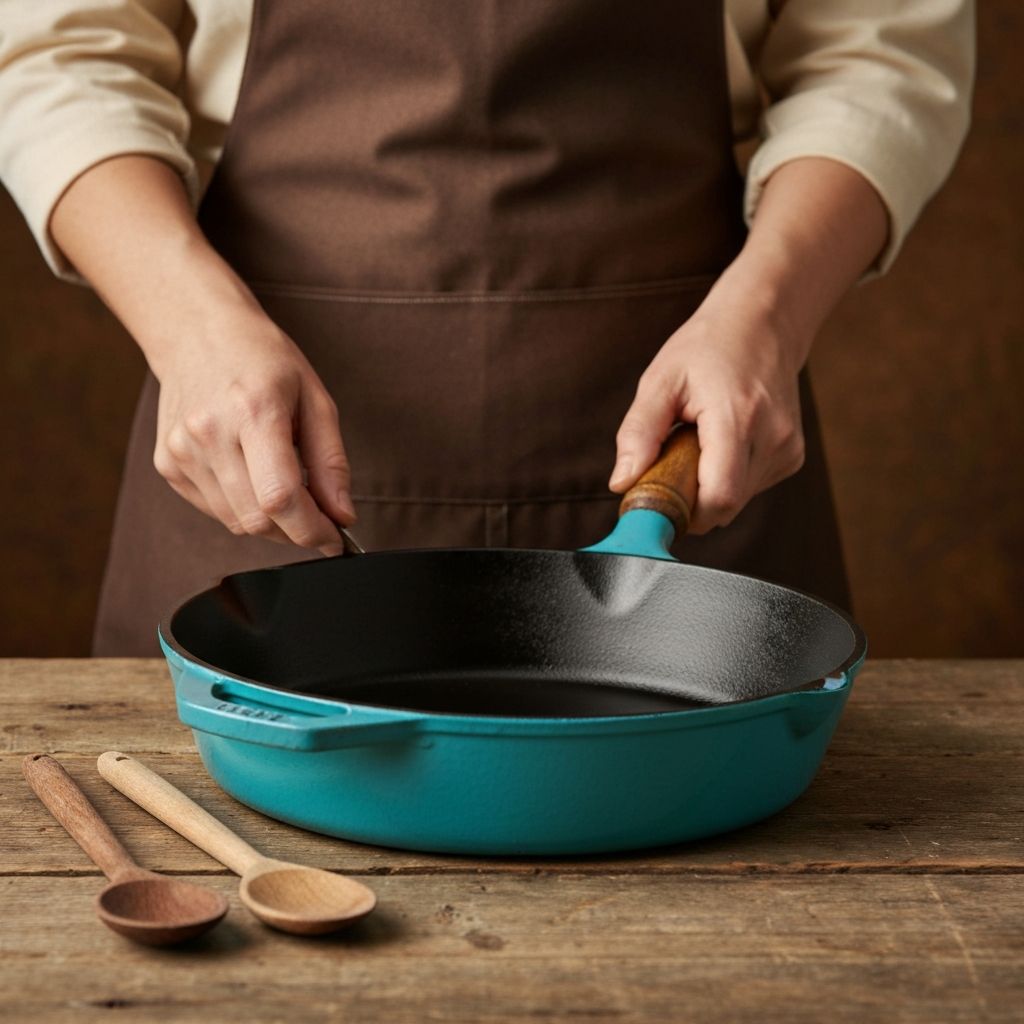
Enameled Cast Iron
Pioneer Woman enameled cast iron cookware combines traditional cast iron performance with a beautiful enamel finish. The heavy cast iron core provides unmatched heat retention and even heating, while the enamel coating prevents rust and eliminates the need for seasoning. These pieces are kitchen workhorses that can last generations.
Best For:
- Slow-cooking soups, stews, and braises
- Baking artisan bread and cobblers
- Searing meats at high temperatures
- Stovetop-to-oven-to-table serving
Key Features:
- Superior Heat Retention: Stays hot longer for perfect searing and cooking
- Even Heat Distribution: No hot spots, cooks food uniformly
- Highly Durable: Built to last decades with proper care
- Oven Safe: Up to 500°F, perfect for high-heat cooking
Important Note: Cast iron is significantly heavier than aluminum cookware. A 7-quart Dutch oven can weigh 15+ pounds when full, so consider your strength and storage needs.
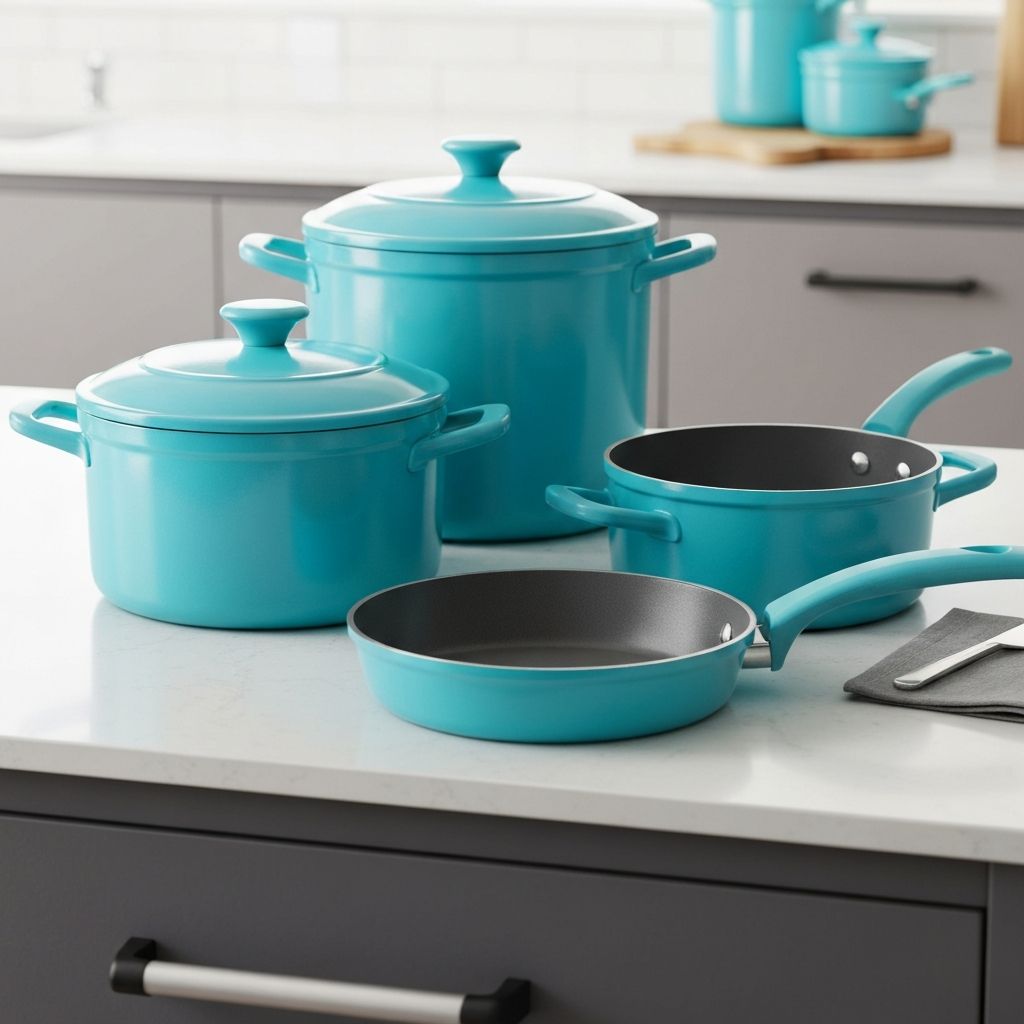
Enamel-on-Steel
Enamel-on-steel cookware is the middle ground between aluminum and cast iron. This material features a carbon steel core coated with porcelain enamel, creating lightweight pieces with good heat conduction. It's commonly used in Pioneer Woman stockpots and Dutch ovens for those who want cast iron aesthetics without the weight.
Best For:
- Boiling pasta, potatoes, and making stocks
- Large-batch cooking like chili or jambalaya
- Canning and preserving when lighter weight is needed
- Budget-friendly alternative to cast iron Dutch ovens
Key Features:
- Lightweight: Much easier to lift and pour than cast iron
- Fast Heating: Heats up quickly, ideal for boiling water
- Beautiful Exterior: Glossy enamel finish in Pioneer Woman colors
- Oven Safe: Typically up to 350°F-400°F
Caution: Enamel-on-steel can develop hot spots more easily than cast iron. Stir frequently when cooking thick sauces or rice-based dishes to prevent burning.
Pioneer Woman Cookware Material Comparison
Quick reference guide to help you choose the right material for your cooking needs
| Feature | Aluminum Non-Stick | Enameled Cast Iron | Enamel-on-Steel |
|---|---|---|---|
| Weight | Very Light (2-3 lbs) | Heavy (10-15 lbs) | Light-Medium (4-6 lbs) |
Oven Safe Temp | 350°F - 400°F | Up to 500°F | 350°F - 400°F |
Heat Up Time | Very Fast | Slow | Fast |
Heat Retention | Low | Excellent | Medium |
Durability | Good (3-5 years) | Excellent (Lifetime) | Very Good (10+ years) |
| Hot Spots | Minimal | None | Possible |
| Best Uses | Eggs, fish, pancakes, everyday cooking | Stews, braises, bread, searing | Boiling, stocks, large batches |
| Maintenance | Easy, hand wash recommended | Hand wash only, avoid thermal shock | Easy, hand wash recommended |
Aluminum Non-Stick
Enameled Cast Iron
Enamel-on-Steel
Frequently Asked Questions
Is Pioneer Woman cookware oven safe?
Yes, all Pioneer Woman cookware is oven safe, but the maximum temperature varies by material. Aluminum non-stick and enamel-on-steel pieces are typically safe up to 350°F-400°F, while enameled cast iron can withstand temperatures up to 500°F. Always check the specific product packaging for exact temperature limits, and remember that glass lids usually have lower heat tolerance than the cookware itself.
What's the difference between Pioneer Woman ceramic and traditional non-stick?
Pioneer Woman ceramic non-stick coating is made from natural minerals and is free from PTFE (Teflon) and PFOA chemicals found in traditional non-stick cookware. Ceramic coatings can withstand higher heat (up to 850°F for the coating itself), are more environmentally friendly, and provide excellent food release. However, the non-stick properties may diminish faster than traditional Teflon, typically lasting 3-5 years with proper care versus 5-7 years for quality traditional non-stick.
Should I choose cast iron or enamel-on-steel for a Dutch oven?
Choose enameled cast iron if you want superior heat retention for slow cooking, braising, and bread baking, and don't mind the extra weight. The cast iron version will maintain temperature better and last for generations. Choose enamel-on-steel if you need something lighter for boiling pasta, making stocks, or if you have limited upper body strength. While enamel-on-steel heats faster and is easier to lift, it won't maintain heat as well for long cooking processes.
Can I use metal utensils on Pioneer Woman cookware?
For aluminum non-stick pieces with ceramic coating, it's best to use wooden, silicone, or nylon utensils to prevent scratching and extend the life of the non-stick surface. While ceramic is more durable than traditional non-stick, metal utensils can still damage it over time. For enameled cast iron and enamel-on-steel pieces, you can use metal utensils, but be gentle to avoid chipping the enamel, especially on the rim where it's most vulnerable.
Ready to Choose Your Perfect Cookware?
Now that you understand the differences between materials, explore the Pioneer Woman cookware collection and find the perfect pieces for your kitchen and cooking style.